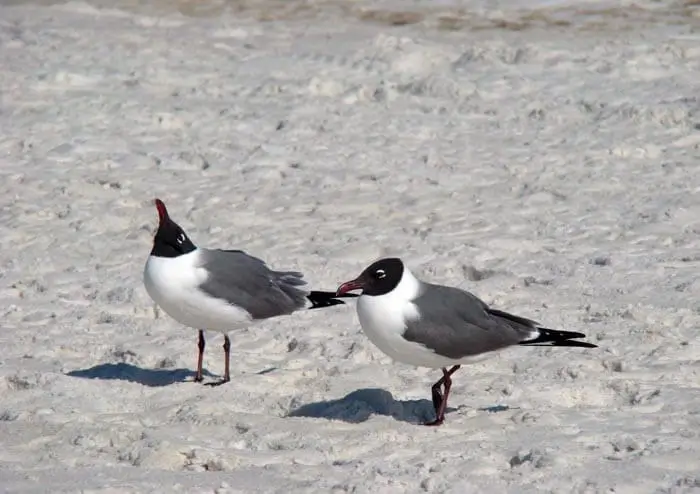
The Charadriiformes are a large and diverse order of birds that includes about 390 species in 19 families. These birds are found on every continent, from the Arctic to Antarctica, and live in a wide variety of habitats.
Many species are closely associated with coasts, beaches, wetlands, mudflats, rivers, lakes, grasslands, and the open ocean.
Charadriiform birds come in many shapes and sizes. Some, such as plovers and sandpipers, have long legs and bills for wading in shallow water and searching for food in mud or sand.
Others, such as gulls and terns, are strong fliers that catch fish or scavenge along shorelines. Auks and puffins are excellent swimmers that use their wings to “fly” underwater.
Most species feed on insects, worms, crustaceans, fish, or other small animals.
Many are famous for their long-distance migrations, traveling thousands of miles each year between breeding and wintering grounds.
One of the most amazing travelers is the Arctic Tern, a member of the Laridae family. Each year, it flies from the Arctic to Antarctica and then back again, covering thousands of miles.
FAMILIES
Alcidae (auks, murres, guillemots, puffins)
Burhinidae (thick-knees)
Charadriidae (plovers, lapwings, dotterels)
Chionidae (sheathbills)
Dromadidae (crab-plover)
Glareolidae (pratincoles, coursers)
Haematopodidae (oystercatchers)
Ibidorhynchidae (ibisbill)
Jacanidae (jacanas)
Laridae (gulls, terns, skimmers, noddies)
Pedionomidae (plains-wanderer)
Pluvianellidae (Magellanic plover)
Pluvianidae (Egyptian plover)
Recurvirostridae (avocets, stilts)
Rostratulidae (painted-snipes)
Scolopacidae (sandpipers, snipes, dowitchers)
Stercorariidae (skuas, jaegers)
Thinocoridae (seedsnipes)
Turnicidae (buttonquails)