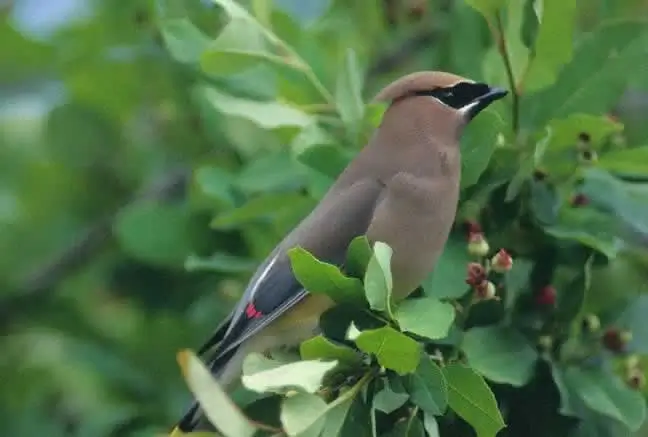
There are about 11,000 known species of birds living today. Scientists have found strong evidence that birds evolved from small feathered dinosaurs millions of years ago.
Birds are vertebrates, which means they have backbones. They are the only animals with feathers. Like mammals, birds are warm-blooded (endothermic), meaning they can maintain a constant body temperature and live in both warm and cold climates.
Most birds can fly, but some cannot. Penguins are excellent swimmers, while birds such as ostriches spend their lives on the ground.
Birds have bills or beaks instead of teeth, and they lay eggs. Their bodies have four main parts: a head, a neck, a torso (body), and a tail. Most birds have light, hollow bones that help make flight easier. They also have two legs and two wings.
Scientists divide birds into two major subclasses:
Archaeornithes (“ancient birds”) were primitive birds that lived during the Jurassic and early Cretaceous periods. The most famous example is Archaeopteryx.
Neornithes (“modern birds”) include all birds living today, from sparrows and hawks to penguins and ostriches.
Birds are one of the most successful groups of animals on Earth and can be found on every continent, including Antarctica.
BIRD ORDERS
Accipitriformes (hawks, eagles, Osprey)
Aegotheliformes (owlet-nightjars)
Anseriformes (ducks, geese, swans)
Apodiformes (swifts, hummingbirds)
Bucerotiformes (hornbills, hoopoes, woodhoopoes)
Caprimulgiformes (nightjars, nighthawks)
Cariamiformes (seriemas)
Casuariiformes (cassowaries, emus)
Charadriiformes (shorebirds, gulls, terns, auks)
Ciconiiformes (storks)
Coliiformes (mousebirds)
Columbiformes (pigeons, doves)
Coraciiformes (kingfishers, bee-eaters, rollers)
Cuculiformes (cuckoos, roadrunners, anis, oucals)
Eurypygiformes (sunbittern and kagu)
Falconiformes (falcons, caracaras)
Galliformes (quail, grouse, pheasants, turkeys)
Gaviiformes (loons)
Gruiformes (cranes, rails, coots)
Leptosomiformes (cuckoo-roller)
Mesitornithiformes (mesites)
Musophagiformes (turacos, plantain-eaters, go-away-birds)
Nyctibiiformes (potoos)
Opisthocomiformes (hoatzin)
Otidiformes (bustards)
Passeriformes (perching birds, songbirds)
Pelecaniformes (pelicans, herons, egrets, ibises, spoonbills)
Phaethontiformes (tropicbirds)
Phoenicopteriformes (flamingos)
Piciformes (woodpeckers, toucans, barbets)
Podargiformes (frogmouths)
Podicipediformes (grebes)
Procellariiformes (albatrosses, petrels, shearwaters, storm-petrels)
Psittaciformes (parrots, parakeets, cockatoos)
Pterocliformes (sandgrouse)
Rheiformes (rheas)
Sphenisciformes (penguins)
Steatornithiformes (oilbird)
Strigiformes (owls)
Struthioniformes (ostriches)
Tinamiformes (tinamous)
Trogoniformes (trogons and quetzals)