

Passeriformes is the largest order of birds. More than half of the world’s approximately 11,000 known bird species belong to this order. Passeriformes are commonly known as perching birds or songbirds.
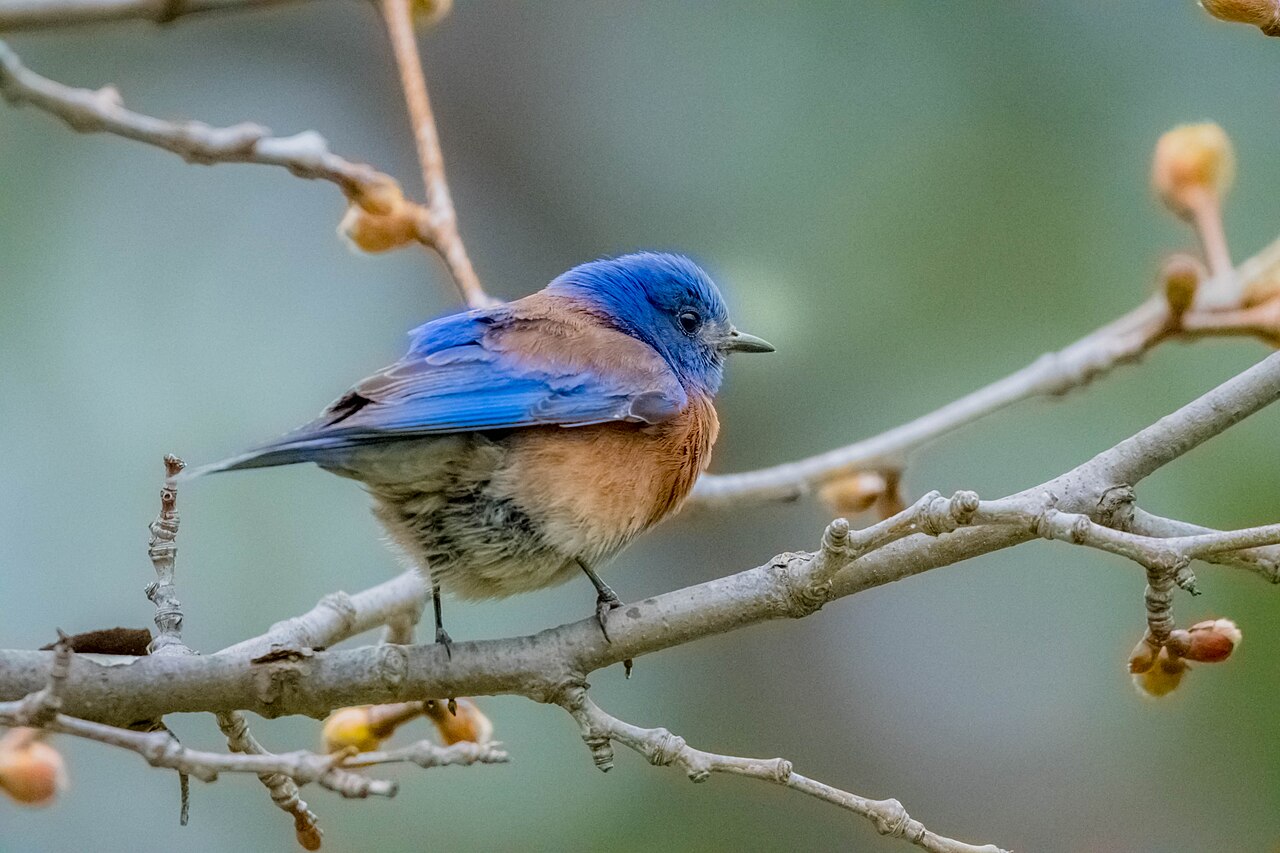
Perching birds have three unwebbed toes in the front, and one strong, flexible toe in the back called the hallux, which lets them perch on tree branches. Most species of perching birds have 12 tail feathers. Perching birds are found in all parts of the world, and they come in a wide variety of colors, patterns, shapes, and sizes! Most chicks in this order are completely featherless and helpless after hatching and must be fed by their parents.
The order is divided into two suborders – Tyranni and Passeri.
The Passeri are the songbirds. There are over 4,000 birds in this suborder. They are different from other birds because of the complex set of four muscles in their voice box or syrinx. These muscles allow songbirds to make complex songs and calls. The birds in this suborder can also learn songs! They learn their songs by listening to other birds of their species.
The Tyranni suborder consists of over 1,000 species of tropical birds. Most are found in South America. The birds in this suborder also have songs, but they don’t learn their songs. They are born knowing them. There are around 64 families in the Passeriformes order.
Aegithinidae (ioras)
Alaudidae (larks)
Artamidae (woodswallows, butcherbirds, currawongs, Australian magpie)
Atrichornithidae (scrub-birds)
Bombycillidae (waxwings)
Calcariidae (longspurs, snow buntings)
Campephagidae (cuckooshrikes, minivets, trillers, cicadabirds)
Cardinalidae (cardinals, grosbeaks, buntings, Ant-tanagers)
Certhiidae (treecreepers)
Chloropseidae (leafbirds)
Cinclidae (dippers)
Cinclosomatidae (quail-thrushes, jewel-babblers)
Cisticolidae (cisticolas, prinias, apalis, tailorbirds)
Climacteridae (Australasian treecreepers)
Corcoracidae (white-winged chough, apostlebird)
Corvidae (crows, ravens, jays, magpies)
Dicaeidae (flowerpeckers)
Dicruridae (drongos)
Emberizidae (Old World buntings)
Estrildidae (waxbills, zebra finches, firefinches, parrot finches)
Eulacestomatidae (ploughbirds)
Falcunculidae (shrike-tits)
Fringillidae (finches, siskins, crossbills, Hawaiian honeycreepers)
Hirundinidae (swallows, martins)
Hypocoliidae (hypocolius)
Icteridae (blackbirds, orioles, grackles, meadowlarks, cowbirds, bobolinks)
Irenidae (fairy-bluebirds)
Laniidae (shrikes)
Maluridae (fairywrens, emu-wrens, grasswrens)
Melanocharitidae (berrypeckers, longbills)
Meliphagidae (honeyeaters)
Menuridae (lyrebirds)
Mimidae (mockingbirds, thrashers, catbirds)
Muscicapidae (Old World flycatchers, chats)
Nectariniidae (sunbirds, spiderhunters)
Neosittidae (sittellas)
Oriolidae (Old World orioles, figbirds)
Orthonychidae (logrunners, chowchillas)
Pachycephalidae (whistlers, shrike-thrushes)
Paradisaeidae (birds-of-paradise, sicklebills, riflebirds, parotias)
Pardalotidae (pardalotes)
Paridae (chickadees, tits, titmice)
Paramythiidae (painted berrypickers)
Parulidae (New World warblers)
Passerellidae (New World sparrows, towhees, juncos)
Passeridae (Old World sparrows, snow sparrows)
Peucedramidae (olive warbler)
Petroicidae (Australasian robins)
Picathartidae (rockfowl, rockjumpers)
Pipridae (manakins)
Ploceidae (weavers, bishops, fodies)
Polioptilidae (gnatcatchers, gnatwrens)
Prunellidae (accentors)
Ptiliogonatidae (silky flycatchers)
Ptilonorhynchidae (bowerbirds)
Pycnonotidae (bulbuls)
Regulidae (kinglets, firecrests)
Sittidae (nuthatches)
Sturnidae (starlings, mynas, oxpeckers)
Sylviidae (sylviid warblers, babblers)
Teretistridae (Cuban warblers)
Thraupidae (tanagers, conebills)
Timaliidae (babblers)
Troglodytidae (wrens)
Turdidae (thrushes, bluebirds, chats)
Tyrannidae (tyrant flycatchers)
Vireonidae (vireos, pepper-shrikes, greenlets)
Zosteropidae (white-eyes)
Support for NatureWorks is provided by:
